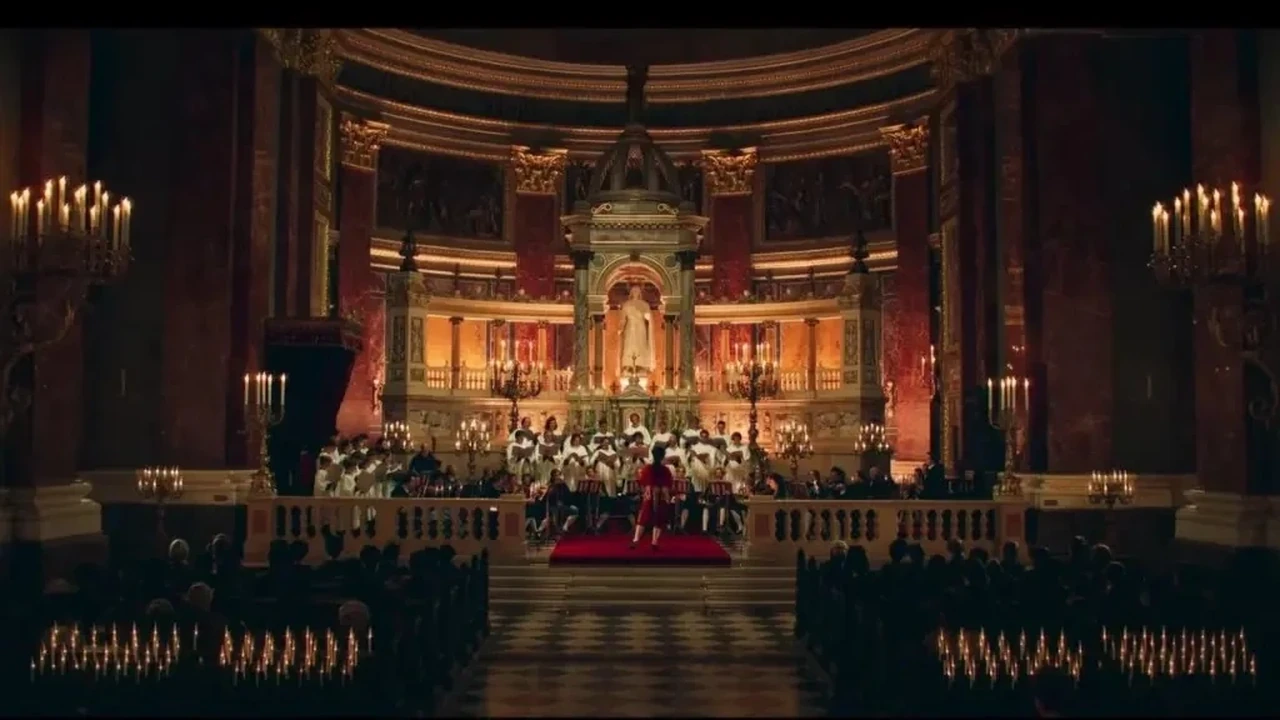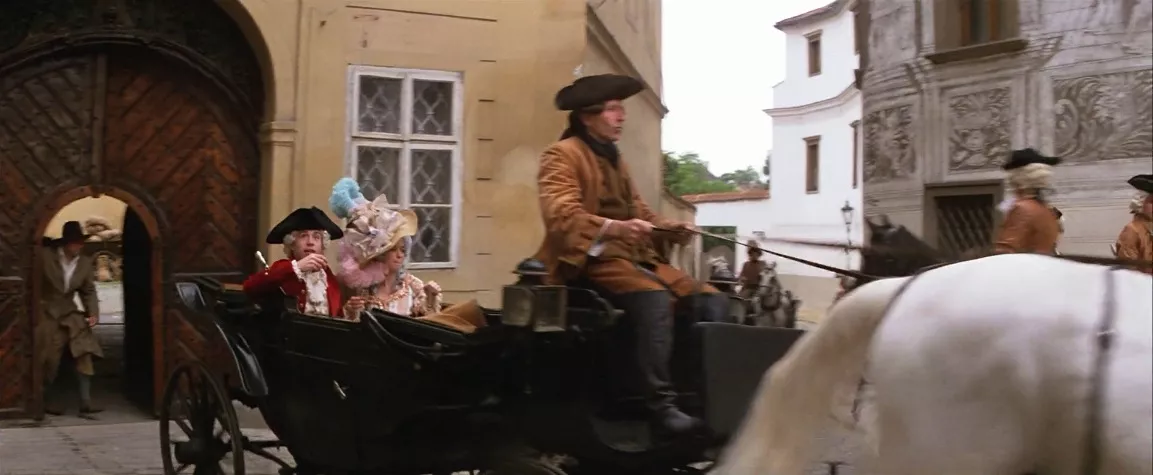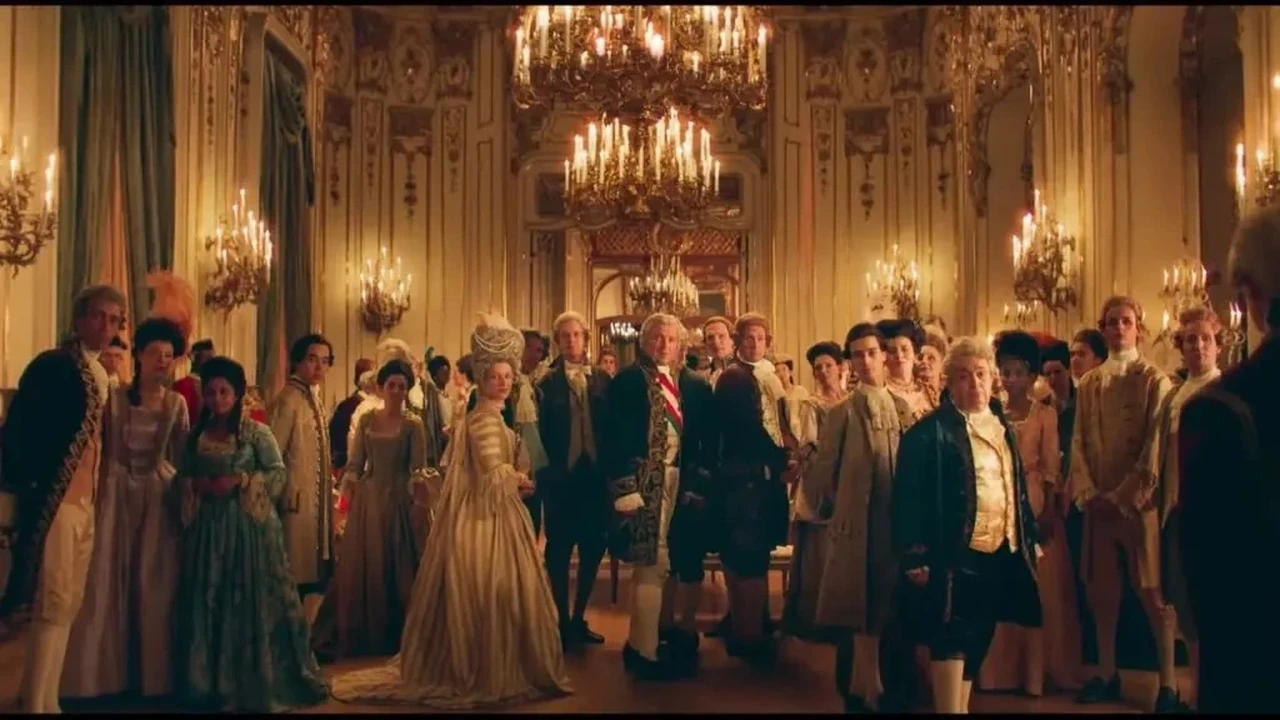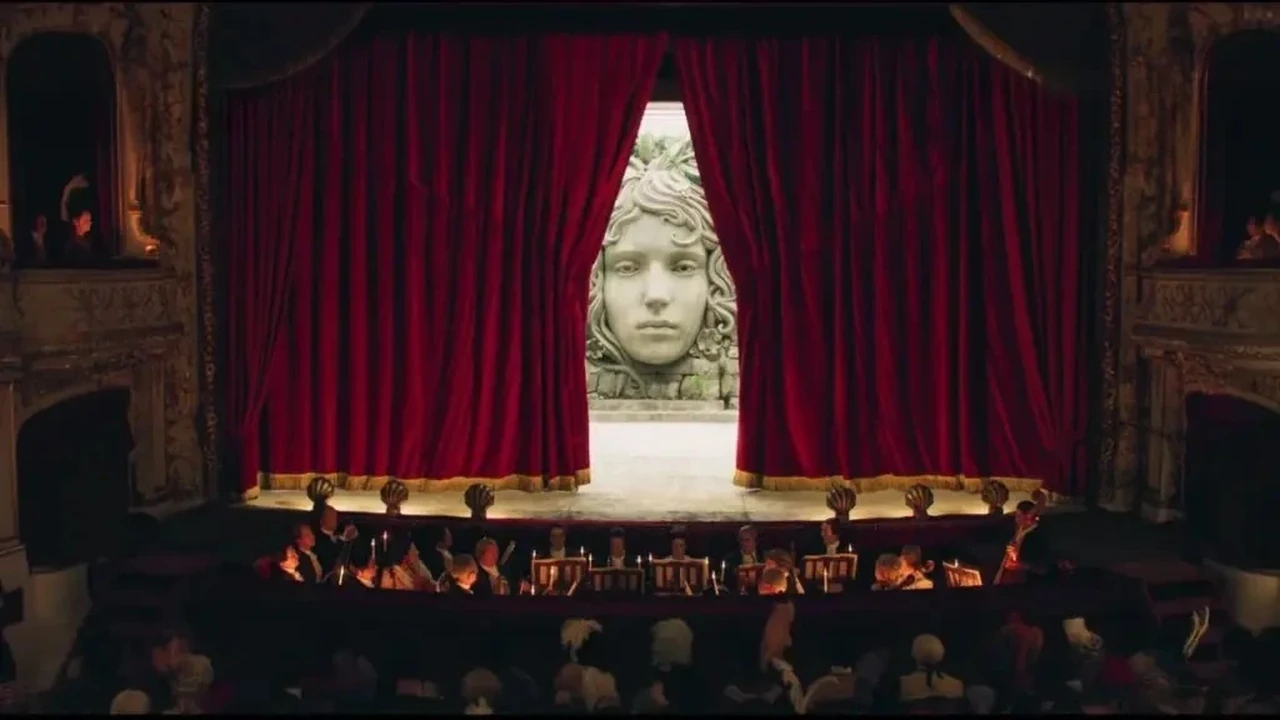
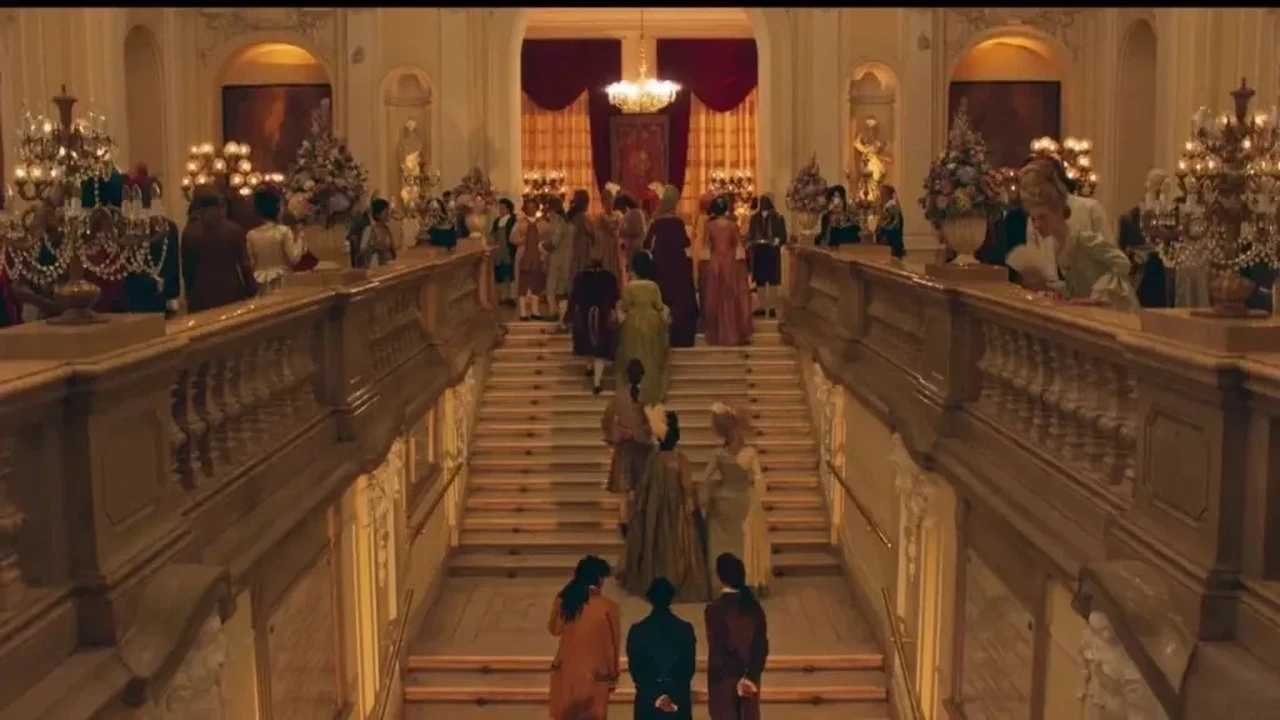
In Amadeus (1984), Vajdahunyad Castle was used for exterior shots that required grand aristocratic façades, courtyards, and formal gardens. Its eclectic architecture allowed the production to convincingly double the location as imperial and noble residences, standing in for palace exteriors within the film’s vision of 18th century Europe.
Rather than relying on a single identifiable palace, Amadeus blends multiple Central European locations. Vajdahunyad Castle contributes a stately, almost theatrical backdrop that fits perfectly with the film’s heightened portrayal of power, ceremony, and social hierarchy.
The real location: Vajdahunyad Castle
Located in City Park (Városliget), Budapest, Vajdahunyad Castle is a unique architectural ensemble originally built for the Millennial Exhibition of 1896. It combines styles from across Hungarian history, including Romanesque, Gothic, Renaissance, and Baroque elements, all within a single complex.
Today, the castle houses the Museum of Hungarian Agriculture, but its courtyards, towers, and reflective moat continue to make it one of Budapest’s most cinematic landmarks.
Why Vajdahunyad Castle was chosen for Amadeus
The castle’s layered architectural identity makes it visually adaptable. Its noble scale and historic detailing allowed director Miloš Forman to suggest aristocratic authority without tying scenes to one specific real-world palace. This flexibility helped reinforce the film’s timeless, pan-European atmosphere rather than anchoring it too tightly to one city or court.
Visiting Vajdahunyad Castle
Vajdahunyad Castle is open year-round and freely accessible from City Park. Visitors can walk through the courtyards, explore the surrounding gardens, or visit the museum inside. Its central location makes it one of the easiest Amadeus filming locations to visit while exploring Budapest.
Frames:
Location Address:
 Vajdahunyad Castle. City Park (Városliget), Budapest Hungary