The Invisible Guardian (El guardián invisible) is inextricably linked to the sound of rushing water. As the opening chapter of the Baztán Trilogy, the story introduces the humid, rain-soaked atmosphere of Elizondo, where the River Baztán acts as a silent witness to the unfolding mystery. The river is more than just a geographic feature; it is a narrative force that connects the town’s ancestral past with the dark crimes Inspector Amaia Salazar must investigate. No point on this river is more iconic or visually representative of the series’ moody aesthetic than the Txokoto dam.
Scene in the book
In both the novel and the film adaptation of The Invisible Guardian, the Txokoto Dam serves as a recurring visual anchor. It is frequently shown in transitional shots to establish the rainy, melancholic atmosphere of the Baztán Valley. Narratively, the river and its dams are crucial as they are the places where the “Basajaun” (the mythical protector of the forest) allegedly leaves the bodies of the victims. The constant roar of the water over the Txokoto dam mirrors the internal turmoil of Amaia Salazar as she confronts her family’s traumatic history and the town’s unsettling secrets.
The real location
The Txokoto Dam is perhaps the most photographed landmark in Elizondo, Navarre. It is a small river dam located in the Txokoto neighborhood, where the traditional houses of the village seem to rise directly from the water’s edge. Far from being a modern addition, historical records of this dam date back to 1397, proving its long-standing importance to the local economy and water management. Architecturally, the area is famous for its stone bridges and the picturesque facades of the surrounding buildings, which represent the traditional “indiano” and rural Basque styles.
Why this location was chosen
The Txokoto dam was chosen for its dramatic visual impact and historical weight. For the production of the film, it provided the perfect “postcard” image of Elizondo while maintaining the dark, “Northern Noir” tone required for the story. The way the water cascades over the ancient stones creates a natural soundtrack of constant movement and dampness, which is central to the sensory experience Dolores Redondo describes in her writing. It serves as the perfect intersection between the town’s civil life and the wild, untamed nature of the river.
Visiting the location
The Txokoto dam is fully accessible to the public and is located in the heart of the village. It is the primary stop for any fan of the Baztán Trilogy.
- Best viewpoint: The bridge of Muniartea provides the most famous vantage point for a photograph of the dam with the houses in the background.
- Walking Tours: It is a central part of the “Ruta de la Trilogía del Baztán,” where guides explain the history of the dam alongside its role in the books.
- Evening visit: At night, the area is illuminated, offering a more mysterious and atmospheric view that aligns closely with the tone of the thriller.
Frames:
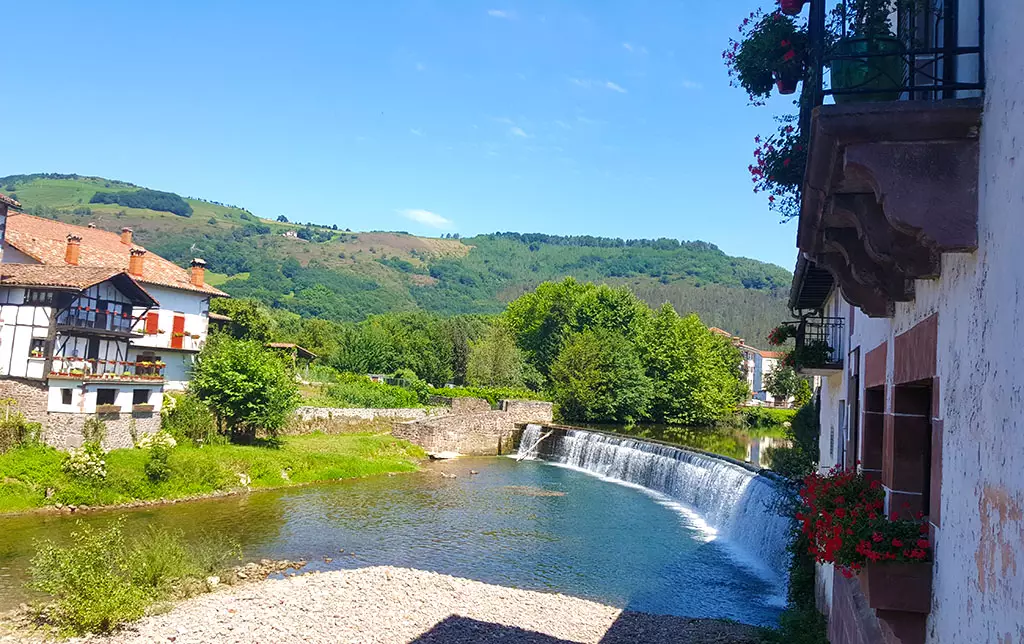
Location Address:
 Pirrintenea, 25, Braulio Iriarte karrika, Elbete, Elizondo, Baztan, Baztan-Bidasoa, Navarre, 31700, Spain
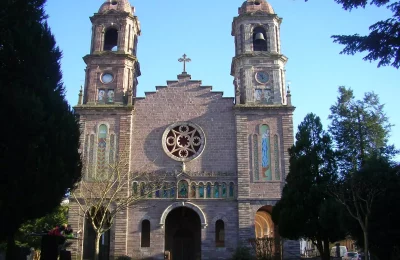 Books
Books
El guardián invisible – Church of Santiago Apóstol
Spain

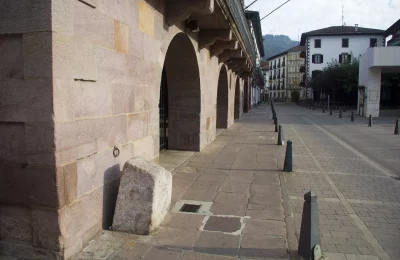 Books
Books
El guardián invisible – Botil Harri
Spain
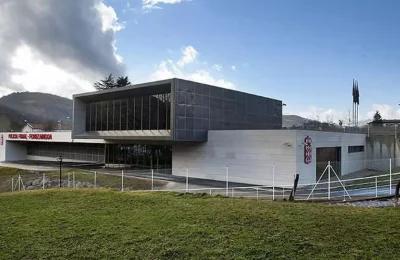 Books
Books
El guardián invisible – Police Station of the Policía Foral
Spain
 Books
Books
El guardián invisible – Barrowland Ballroom
United Kingdom
 Books
Books
El guardián invisible – Salazar Bakery
Spain
 Books
Books
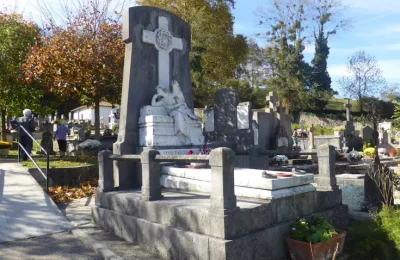
El guardián invisible – Elizondo Cemetery
Spain