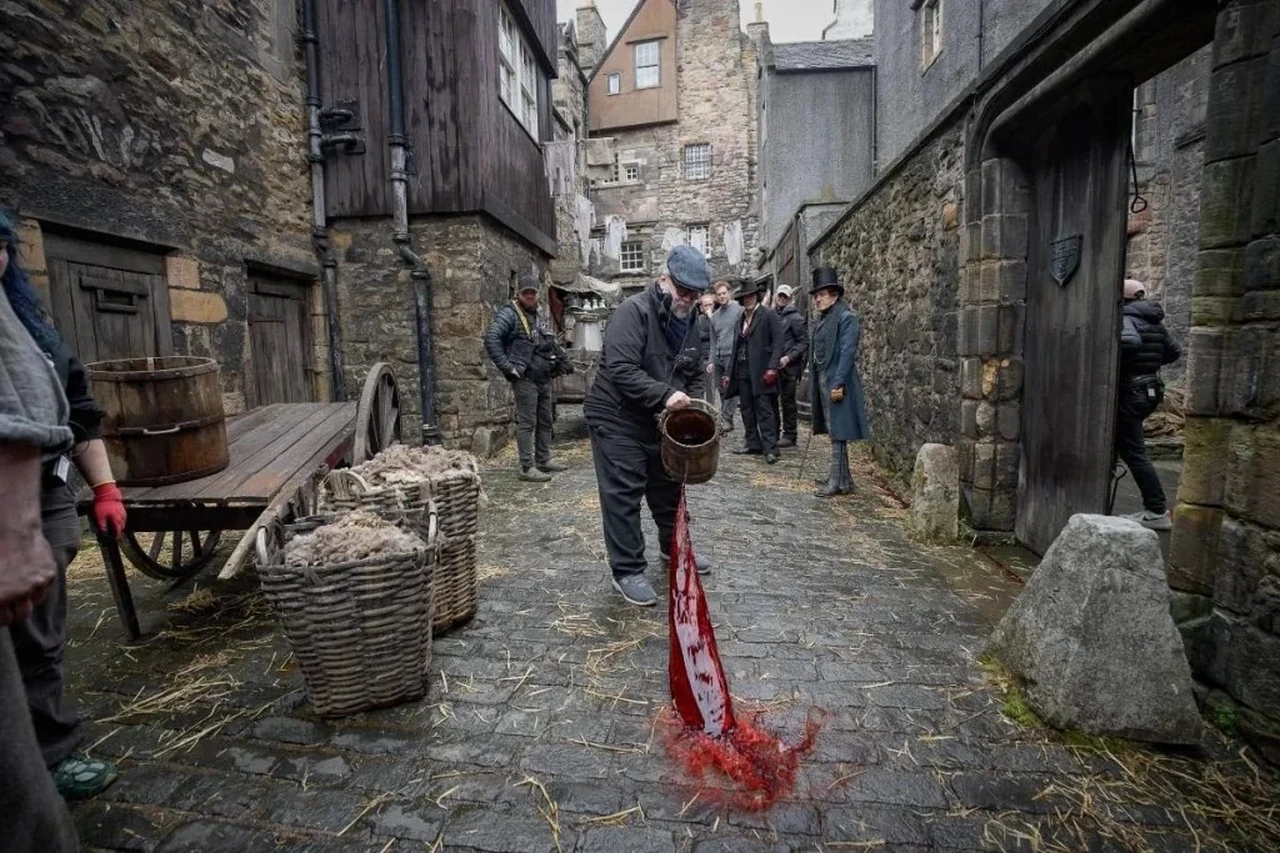
In Guillermo del Toro’s 2025 adaptation of Frankenstein, Bakehouse Close serves as a pivotal filming location in Edinburgh’s historic Old Town, standing in for a grim butchers’ alley where protagonist Victor Frankenstein navigates tense encounters amid his dark pursuits. This narrow close off the Royal Mile captures the film’s gothic atmosphere through its preserved 16th- and 17th-century stone tenements, evoking the shadowy urban underbelly of a reimagined 19th-century Europe. The location’s authentic architecture, with its arched passageways and looming buildings, enhances the narrative’s themes of scientific ambition and moral decay, drawing on Edinburgh’s real history of medical innovation and grave-robbing scandals that inspired Mary Shelley’s original novel.
The Scene
After leaving a tribunal, Victor Frankenstein hurries through the bustling Canongate section of Edinburgh’s Royal Mile, passing the Canongate Tollbooth with its distinctive clock. He crosses into Bakehouse Close, transformed into a muddy butchers’ alley teeming with period shopfronts, costumed extras, and hanging meats that amplify the scene’s visceral horror. There, Heinrich Harlander, played by Christoph Waltz, awaits at the door to Victor’s quarters, a side entrance to what appears as Edinburgh World Heritage but is dressed to suggest a mountain view. This moment heightens tension as Victor confronts his benefactor amid the close’s oppressive narrowness, blending real location grit with digital extensions for a foreboding tone.
The Real Filming Location
Bakehouse Close is one of Edinburgh’s best-preserved historic closes, a narrow alleyway branching off the Royal Mile’s Canongate end at approximately 55.9510701, -3.1785524. Dating back centuries, it features multi-story stone tenements typical of 16th- and 17th-century Scottish architecture, with rough-hewn walls and arched entrances that have survived urban renewal. Adjacent to the Museum of Edinburgh in Acheson House, which doubled as Victor’s residence, the close offers a tangible link to the city’s medieval past. Its position in the UNESCO-listed Old Town provides layered backdrops, from the People’s Story Museum in the Tollbooth to nearby literary sites, making it a microcosm of Edinburgh’s gothic heritage.
Why This Location Was Chosen
Edinburgh’s selection aligns with the story’s roots in Mary Shelley’s novel, as the city was a 19th-century hub for anatomy research and body-snatching, fueling tales of resurrection that echoed the plot. Bakehouse Close specifically provided authentic textures—cobbled paths, towering tenements, and dim lighting—ideal for del Toro’s gothic aesthetic without heavy set builds. Production notes highlight its use for the butchers’ alley to evoke urban decay and peril, enhanced by minimal digital tweaks like extended mountain vistas. Local film support, including charters from Edinburgh authorities, facilitated shoots amid tourist areas, while the close’s enclosure mirrored the film’s intimate confrontations. Proximity to other sites like Parliament Square streamlined logistics.
Visiting the Location
Bakehouse Close is freely accessible year-round as part of Edinburgh’s Royal Mile pedestrian zone, best approached from the Canongate end near the Tollbooth. Visitors can walk its 50-meter length in minutes, admiring the tenements and peering into Acheson House’s museum exhibits on local history. Peak tourist seasons (summer festivals) bring crowds, but early mornings or evenings offer quieter views; it’s steps from major attractions like the Writers’ Museum. No entry fees apply, though wear sturdy shoes for uneven cobbles. Guided tours of Old Town closes often include it, highlighting its film legacy—check Film Edinburgh resources. Public transport via buses or trams reaches the Royal Mile easily; parking is limited in the zone.
Frames:
Location Address:
 3, Cooper's Close, Holyrood, Canongate, Old Town, City of Edinburgh, Scotland, EH8 8PE, United Kingdom
 Movies
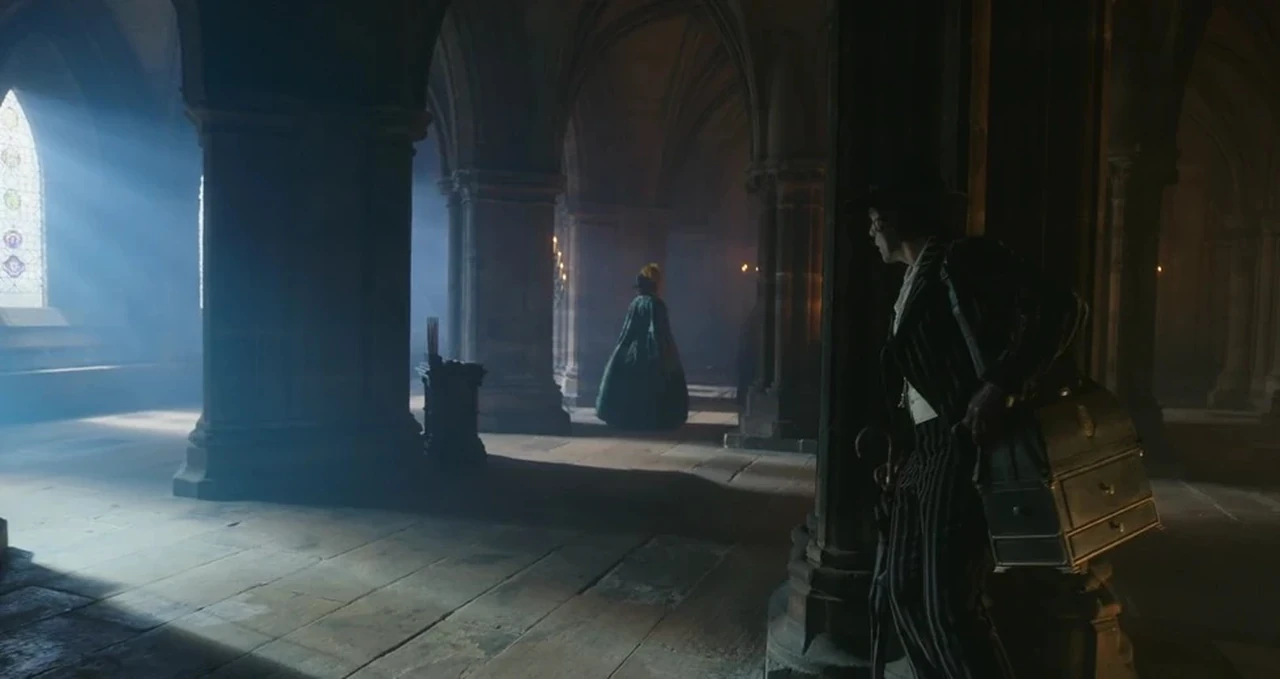
Frankenstein – Glasgow Cathedral Crypt
United Kingdom

 Movies
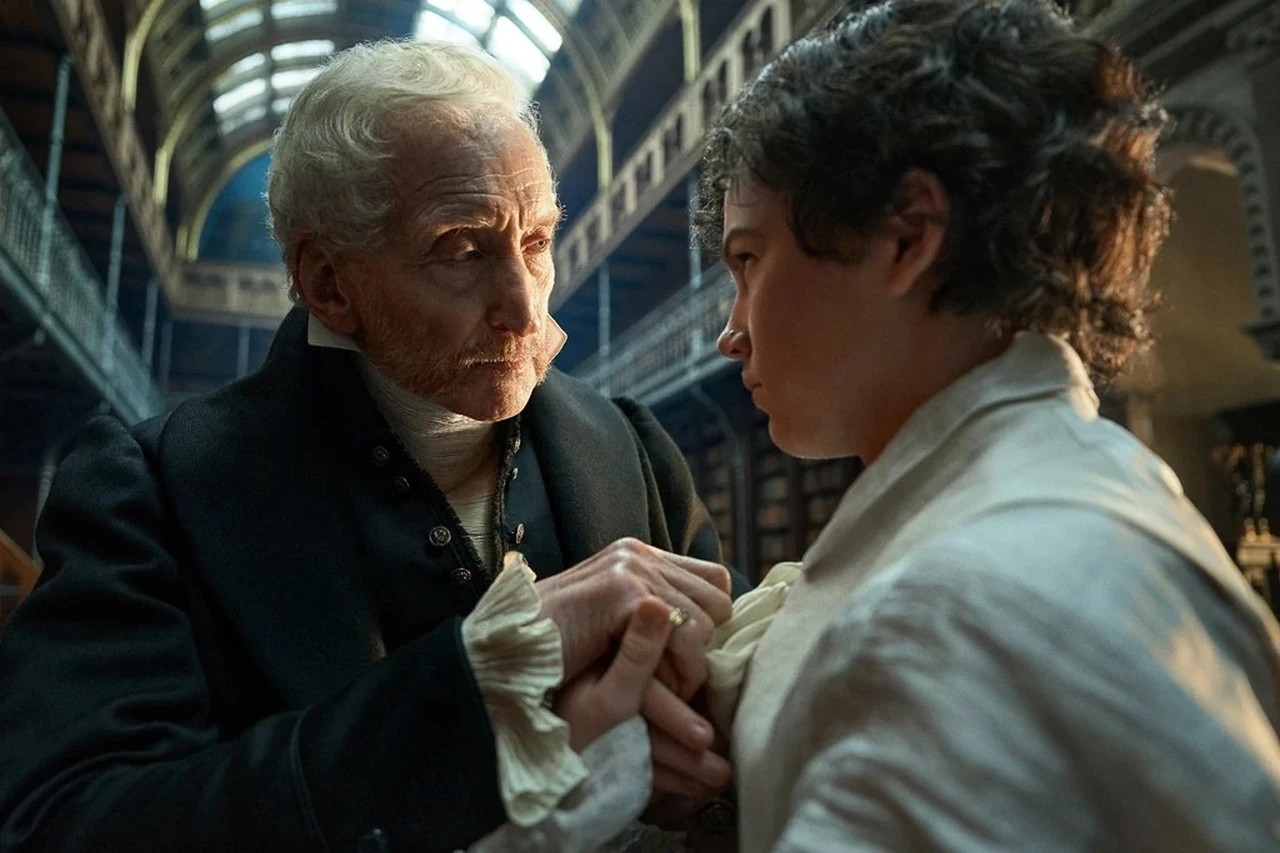
Frankenstein – Dunecht House
United Kingdom
 Movies
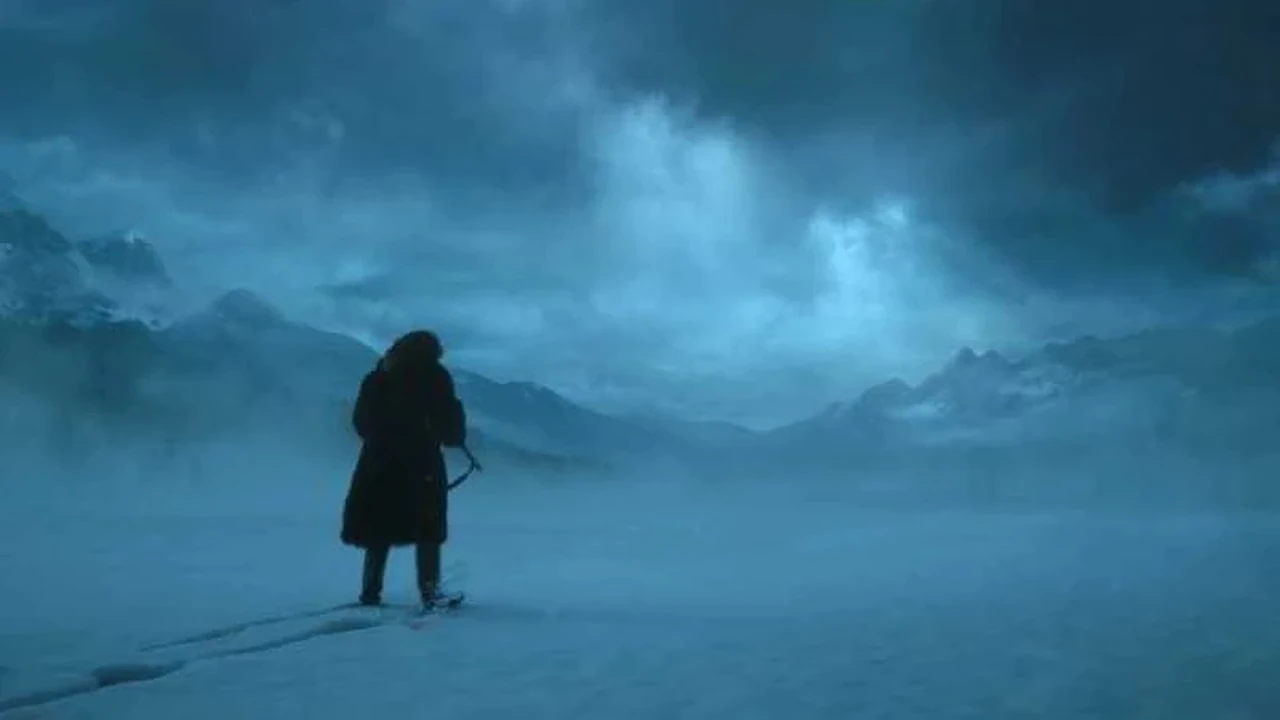
Frankenstein – Lake Nipissing
Canada
 Movies
Frankenstein – Wilton House
United Kingdom
 Movies
Frankenstein – Gosford House
United Kingdom
 Movies
Frankenstein – Burghley House
United Kingdom