Guillermo del Toro’s 2025 Netflix adaptation of Frankenstein, starring Oscar Isaac as Victor Frankenstein and Jacob Elordi as the Creature, transforms the atmospheric crypt beneath Glasgow Cathedral into a pivotal, shadowy space central to the film’s emotional core. This medieval undercroft, with its low stone vaults and dim lighting, serves dual purposes in the narrative, embodying both confinement and confrontation. The location’s selection underscores the production’s emphasis on Scotland’s historic architecture to evoke a gothic, 19th-century European ambiance, blending real heritage with del Toro’s signature blend of horror and humanity.
The Scene
In one intense sequence, the crypt represents the Creature’s birthplace dungeon, where Victor first animates his creation amid flickering torchlight and echoing stone walls. The claustrophobic space heightens the horror as the newborn being stirs in chains, its groans reverberating off the ancient masonry. Later, Victor disguises himself as a priest in a confessional booth within the same crypt, luring Elizabeth (Mia Goth) for a tense exchange. Believing she’s seeking absolution, he taunts her about their shared secrets, their whispers building dread until she realizes the deception. This pivot from creation to psychological duel amplifies themes of isolation and betrayal, with the crypt’s oppressive atmosphere mirroring the characters’ inner turmoil.
The Real Filming Location
Glasgow Cathedral, formally St. Mungo’s Cathedral, is Scotland’s principal medieval church, constructed primarily from the 12th to 15th centuries and one of the few to survive the Reformation intact. Dedicated to St. Mungo, Glasgow’s patron saint, its lower crypt houses his tomb and features ribbed vaulting, sturdy stone pillars, and narrow passageways that create an intimate, foreboding environment. Located in the city’s east end, the cathedral blends Gothic elements like pointed arches with later modifications, reflecting centuries of Scottish history from William Wallace’s era to Reformation upheavals. The crypt, accessed via stairs from the main nave, proved ideal after the upper chapel felt too vast for the scenes’ intimacy.
Why This Location Was Chosen
Production initially scouted the cathedral’s main interior but shifted to the crypt because its grand nave ceilings were too high and bright, diluting the required mood of confinement and shadow. The crypt’s darker, more intimate scale perfectly suited the dungeon and confessional scenes, providing authentic gothic texture without extensive set builds. Guillermo del Toro’s team valued Scotland’s preserved medieval sites for their “heavy, sombre tones,” enhancing the film’s 19th-century aesthetic. Location manager Lloret MacKenna Dunn noted such spots convey emotional weight, contrasting or amplifying narrative tension. This choice aligned with broader filming in Edinburgh and Glasgow to recreate moody European cityscapes efficiently.
Visiting the Location
Glasgow Cathedral welcomes visitors daily, free entry to the main structure, though donations support preservation by Historic Environment Scotland. The crypt remains accessible via the lower chapel stairs, offering a glimpse of the exact filming spots amid St. Mungo’s tomb and exhibits on the cathedral’s history. Open Monday to Saturday 9:30 AM to 5 PM, Sundays 1 PM to 5 PM (shorter winter hours); guided tours available weekends. Nearby parking is limited—use Castle Street car park. Public transport via Buchanan Bus Station or Glasgow Queen Street is straightforward. Respect ongoing worship; photography permitted without flash. Combine with the Necropolis hillside cemetery for a full gothic experience, just uphill.
Frames:
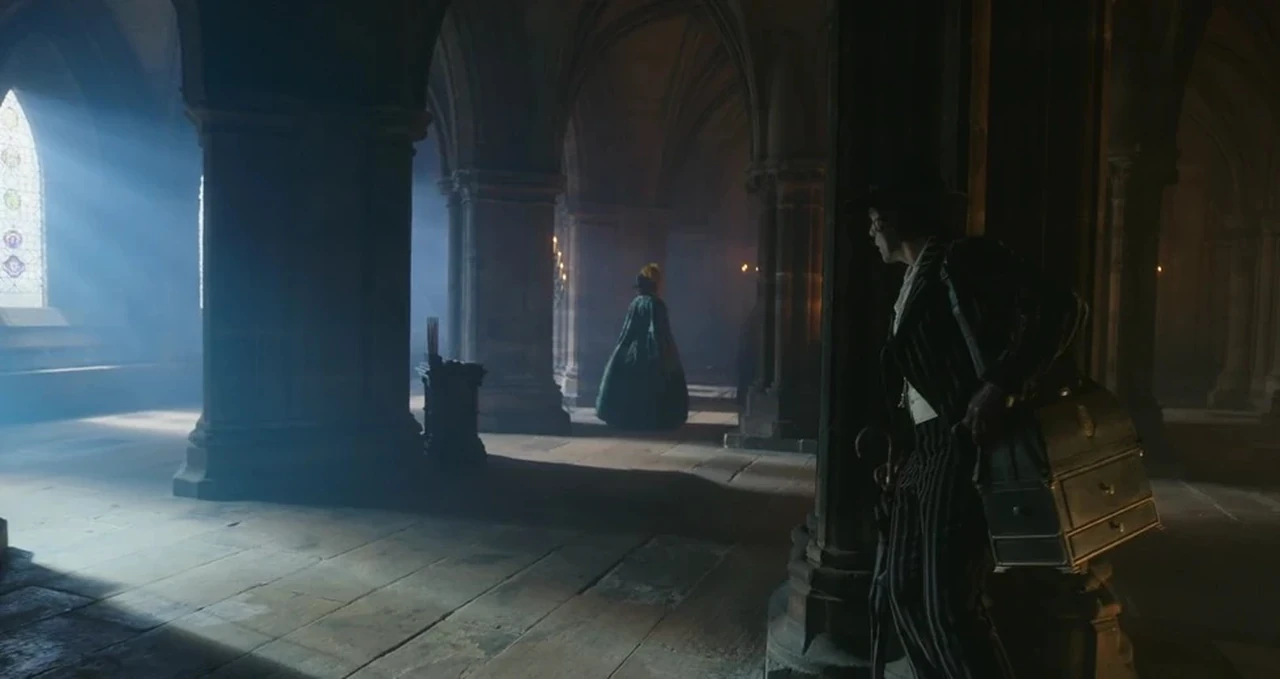
Location Address:
 Castle Street, Townhead, Glasgow, Glasgow City, Scotland, G4 0QZ, United Kingdom
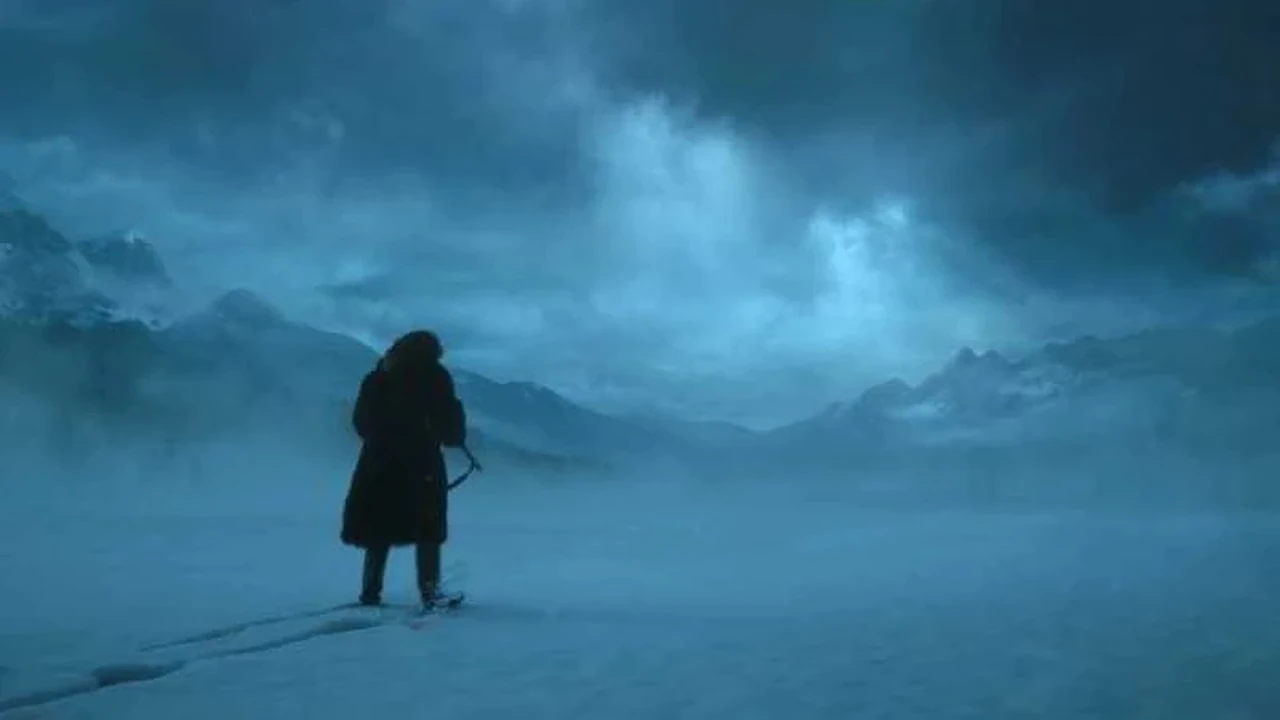 Movies
Frankenstein – Lake Nipissing
Canada

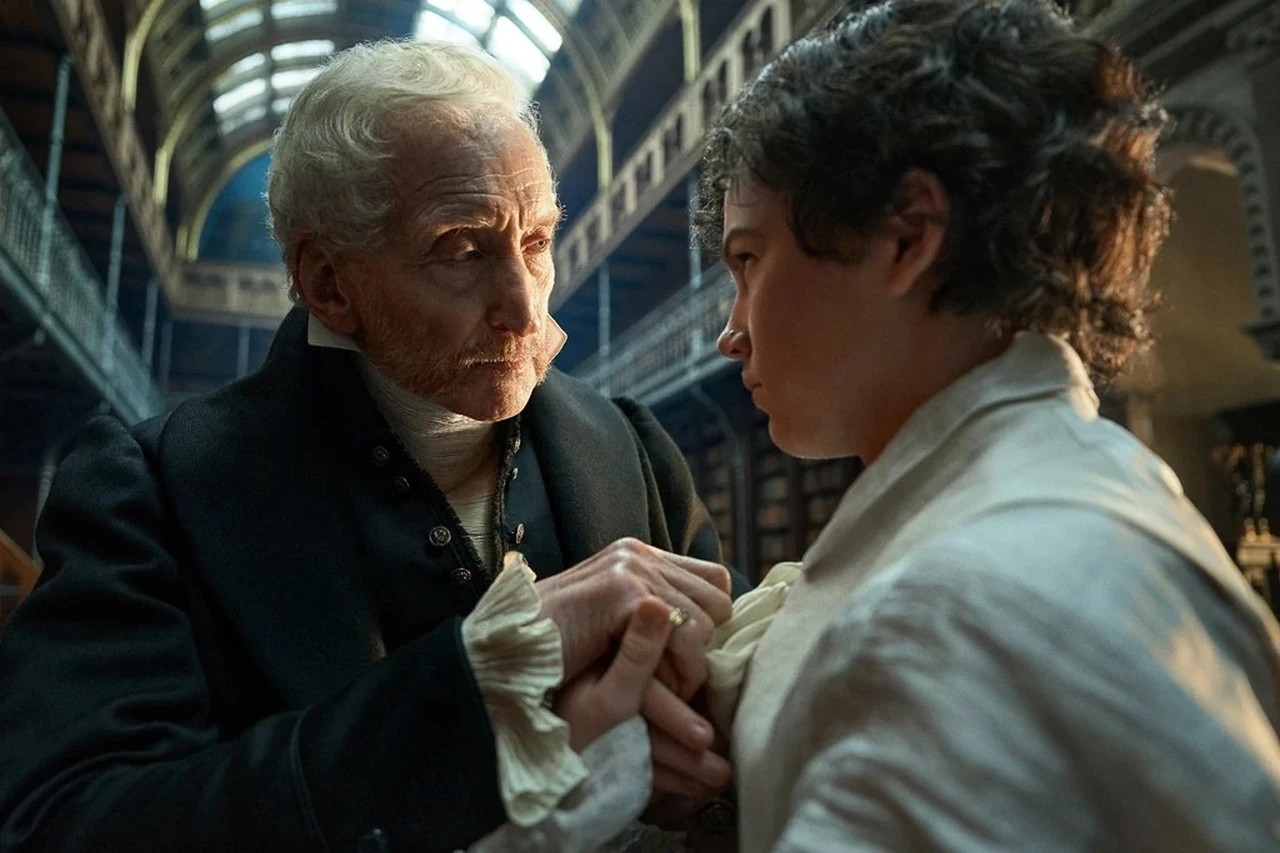 Movies
Frankenstein – Dunecht House
United Kingdom
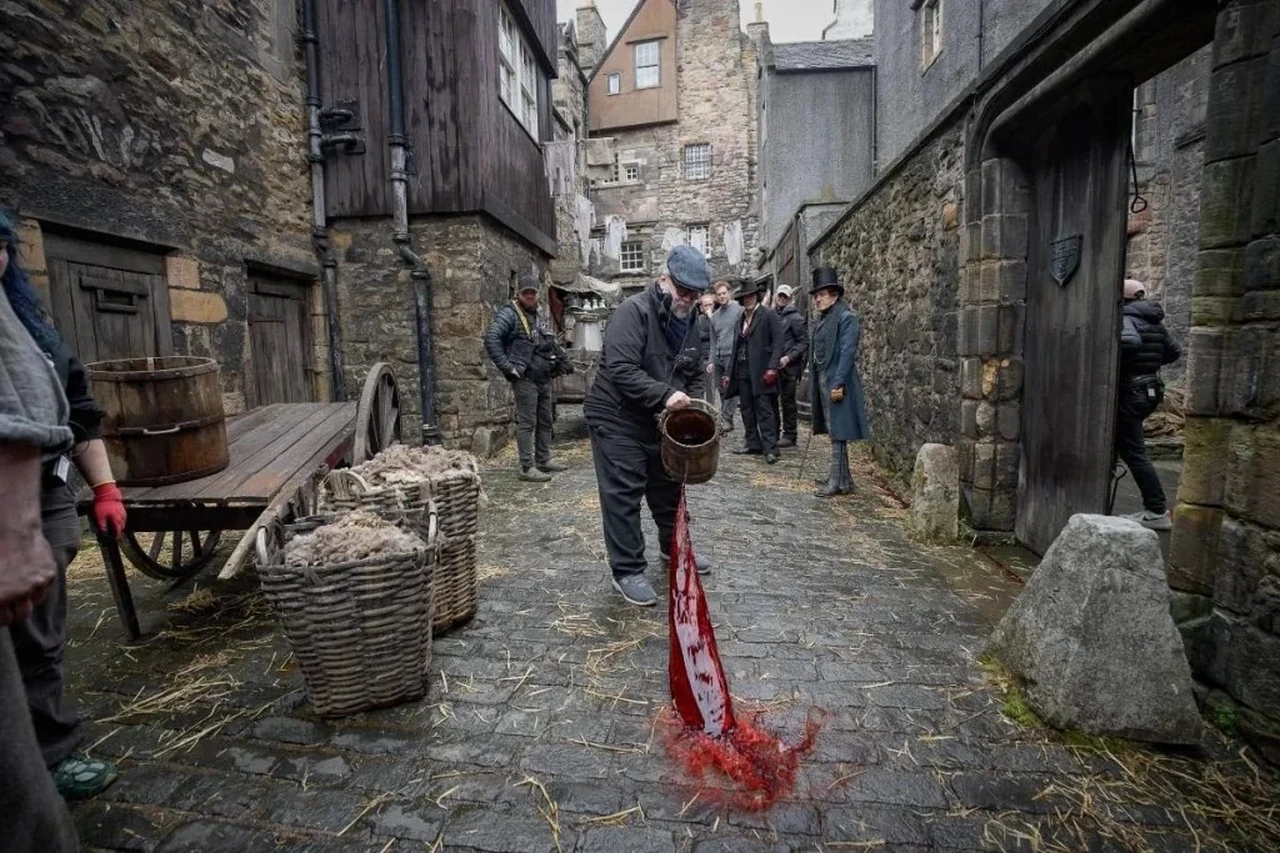 Movies
Frankenstein – Bakehouse Close
United Kingdom
 Movies
Frankenstein – Gosford House
United Kingdom
 Movies
Frankenstein – Wilton House
United Kingdom
 Movies
Frankenstein – Burghley House
United Kingdom