The Invisible Guardian (El guardián invisible), the gripping opening to Dolores Redondo’s Baztán Trilogy, relies heavily on the bridge between the living and the dead. The story follows Inspector Amaia Salazar as she returns to the misty Valley of Baztán to investigate a series of ritualistic murders. In a region where Catholic traditions and ancient Basque myths coexist, the local cemetery serves as a vital setting where the weight of the past literally rests beneath the soil, reflecting the themes of ancestry and secrets that haunt the Salazar family.
Scene in the book
In the narrative of the film and novel, the Elizondo Cemetery is a site of deep personal and investigative significance. It is here that the investigation often pauses for reflection on the victims, and where the tension between Amaia and the local community’s superstitions is most palpable. The cemetery serves as the backdrop for key moments of mourning and the exploration of the Salazar family pantheon. The atmosphere is consistently depicted as somber and damp, emphasizing the “Basque Noir” aesthetic where the fog seems to blur the lines between the natural and the supernatural.
The real location
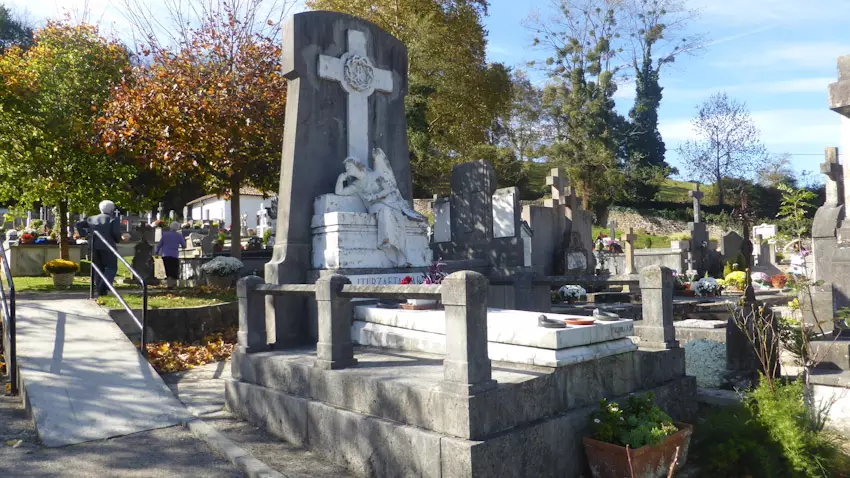
The real Cementerio de Elizondo is located on the eastern edge of the town in Navarre, Spain. Unlike the grand, monumental cemeteries of major cities, this site is characterized by its sobriety and integration with the surrounding green landscape of the Pyrenees. It features traditional Basque funerary art, including stone crosses and family vaults that date back generations. The architecture is modest but evocative, with stone walls that contain the history of the valley’s most prominent families, including those whose names inspired the characters in Redondo’s work.
Why this location was chosen
The production and the author chose the Elizondo Cemetery for its unmistakable authenticity. To capture the soul of the Baztán Trilogy, the locations had to reflect the specific “wet” and “heavy” atmosphere described in the books. The cemetery provides a visual representation of the community’s insular nature and their respect for tradition. Logistically, its proximity to the town center and the river Baztán allowed the film crew to maintain a consistent visual palette of grey stone and deep green vegetation, which is essential for the story’s psychological tension.
Visiting the location
The Elizondo Cemetery is a public site and can be visited respectfully by the public. It is a common stop for those following the “Ruta Literaria de los Baztán,” a walking tour dedicated to the landmarks of the trilogy.
- Access: It is located a short walk from the town center, accessible via the Calle San Francisco.
- Visiting hours: Generally open during daylight hours; however, silence and respect for mourners are strictly required.
- Tip: Look for the traditional “discoidal” steles (ancient funerary monuments) which, while common in the region, add to the mystical feeling described by Dolores Redondo.
Frames:
Location Address:
 29844, Beartzungo errepidea, Antzanborda, Elizondo, Baztan, Baztan-Bidasoa, Navarre, 31700, Spain
 Books
Books
El guardián invisible – Barrowland Ballroom
United Kingdom

 Books
Books
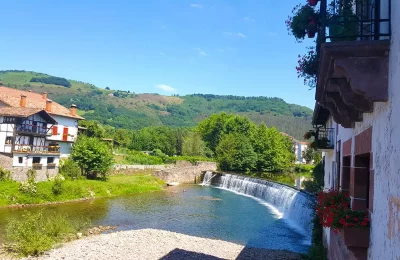
El guardián invisible – Txokoto Dam
Spain
 Books
Books
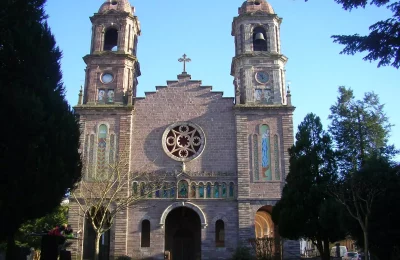
El guardián invisible – Church of Santiago Apóstol
Spain
 Books
Books
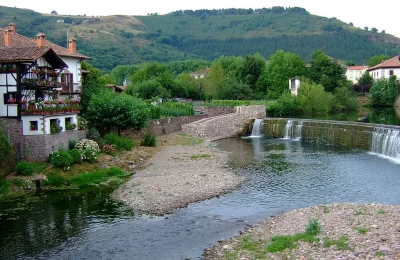
El guardián invisible – Muniartea Bridge
Spain
 Books
Books
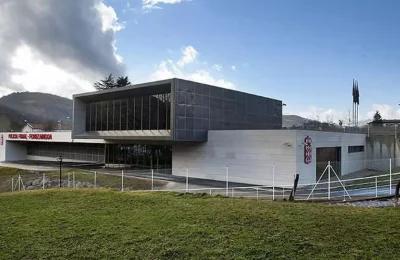
El guardián invisible – Police Station of the Policía Foral
Spain
 Books
Books
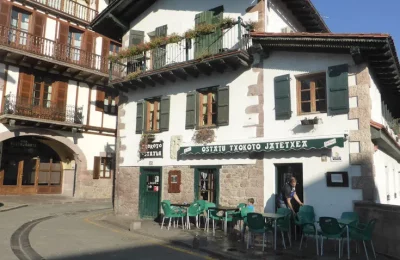
El guardián invisible – Bar Txokoto
Spain